Learn the importance of waste segregation and how it can improve recycling and waste disposal. A beginner-friendly guide to start today.
Introduction
Most people don’t think twice about where their trash ends up. However, separating waste at the source is the first step toward a cleaner planet. Waste segregation is easy to do and has a major impact on recycling efforts, pollution levels, and landfill pressure.
What Is Waste Segregation?
Waste segregation means dividing garbage into categories like:
- Biodegradable: Food scraps, paper, garden waste
- Recyclable: Plastics, glass, metals
- Hazardous: Batteries, paints, electronics
- Non-recyclable: Sanitary waste, mixed plastics
Why It’s Important
- Improves Recycling Efficiency
Clean and sorted materials are easier to recycle. - Reduces Landfill Waste
Less waste ends up in landfills when items are properly sorted. - Minimizes Pollution
Prevents contamination of soil and water with hazardous substances. - Lowers Health Risks
Proper disposal reduces exposure to harmful chemicals and bacteria.
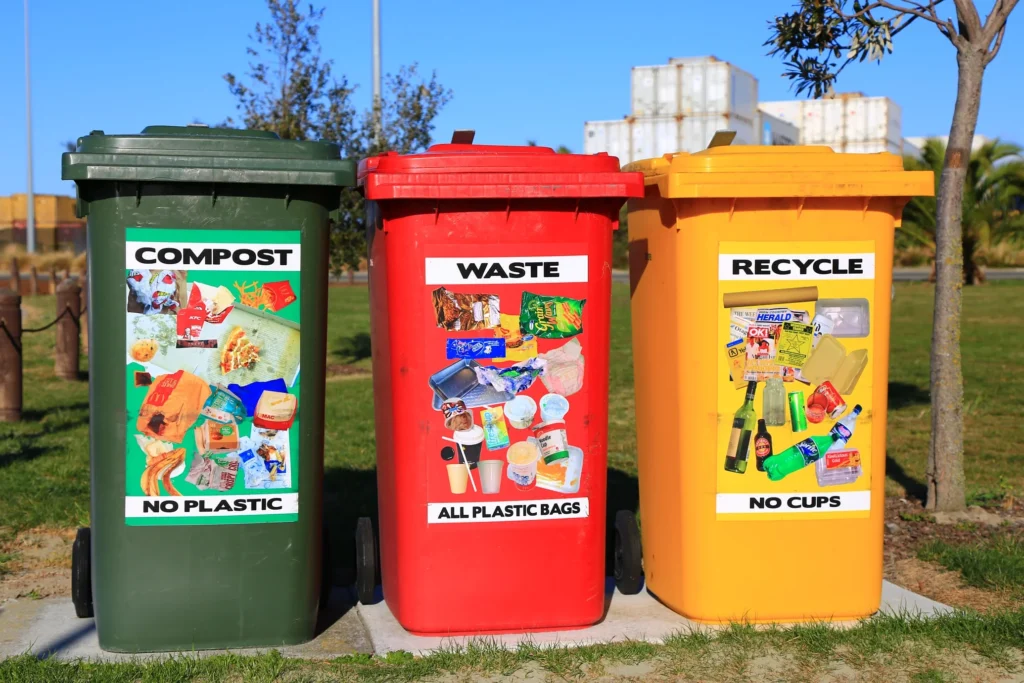
How to Start Segregating Waste
- Place labeled bins in your home or office.
- Educate your family or team on what goes where.
- Use color-coded bags for easy sorting (green for organic, blue for recyclable, red for hazardous).
- Dispose of waste according to your local municipality’s rules.
Conclusion
Waste segregation is not just a responsibility—it’s a habit that creates a cleaner, safer, and more sustainable world. Start today and be a part of the solution.