Discover 10 practical and sustainable waste management tips to reduce, reuse, and recycle more effectively at home and in your business. Start creating a cleaner environment today with these simple yet impactful solutions.
Introduction
Proper waste management is essential for maintaining a healthy environment and reducing your ecological footprint. Whether you’re managing waste at home or in a business, taking a few smart steps can help you cut down on trash, save money, and support sustainability. Here are 10 effective waste management tips that are easy to implement and make a significant difference.
1. Conduct a Waste Audit
Before you can improve how you manage waste, you need to understand what you’re throwing away. A waste audit involves tracking and analyzing the types and amounts of waste you generate. This helps identify areas where you can reduce waste or switch to reusable alternatives. In businesses, a waste audit can also highlight inefficiencies in procurement and production.
2. Reduce Single-Use Items
Single-use plastics and disposables are among the biggest contributors to landfill waste. Try replacing these items with reusable ones. For example, use cloth bags instead of plastic, stainless steel water bottles instead of plastic bottles, and ceramic mugs instead of disposable cups. Making this switch not only helps the environment but also saves you money over time.
3. Set Up Separate Bins
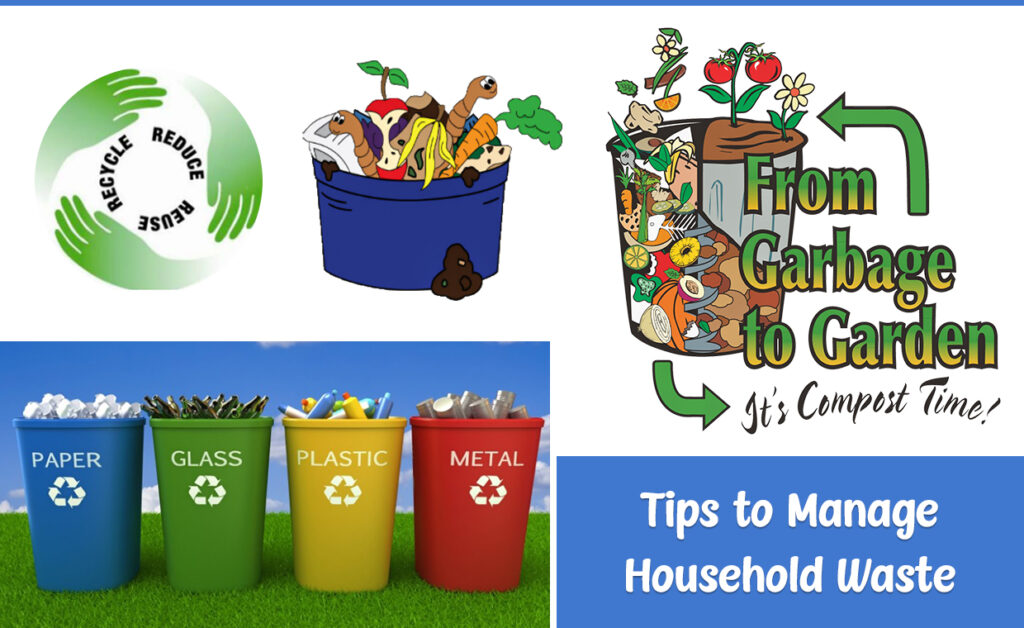
Segregating waste at the source is one of the easiest ways to improve recycling. Use separate bins for organic waste, recyclables, general waste, and hazardous materials. Label each bin clearly and place them in accessible locations. Businesses can go a step further by color-coding bins and training staff to use them properly.

4. Compost Organic Waste
Food scraps, garden clippings, and other biodegradable waste can be turned into compost. Composting reduces the amount of organic material sent to landfills, where it would otherwise emit methane gas. Compost also enriches soil and supports healthy plant growth. You can use a simple compost bin at home or invest in a composting system for your business.
5. Donate or Sell Unwanted Items
Instead of throwing away old clothes, electronics, or furniture, consider donating them to charities or selling them online. Many items that are useless to you may still have value to someone else. Businesses can also donate unused stock or office furniture to non-profits, which supports sustainability and community goodwill.
6. Buy in Bulk
Purchasing items in bulk reduces packaging waste and often saves money. This is especially useful for household supplies, office products, or manufacturing inputs. Choose bulk items that come with minimal or recyclable packaging, and store them properly to avoid spoilage or damage.
7. Train Staff and Family Members
Even the best waste management system won’t work if people don’t know how to use it. Take time to educate your family or team members about waste segregation, recycling rules, and composting techniques. Conduct short training sessions, hang informative posters near bins, and encourage everyone to participate.
8. Recycle Smartly
Not all waste is recyclable—and not all recyclables are accepted in your area. Learn what your local recycling facility accepts and avoid “wishcycling” (putting non-recyclables in recycling bins). Always rinse food containers before recycling and avoid putting greasy or contaminated items in the recycling bin.
9. Use Eco-Friendly Products
Choosing environmentally friendly products supports sustainable manufacturing and reduces waste. Look for biodegradable cleaning supplies, packaging made from recycled materials, or electronics with energy-efficient certifications. Avoid products with excessive packaging, and support brands that prioritize sustainability.
10. Hire a Professional Waste Management Service
If you’re managing a business or large facility, consider hiring a certified waste management company. These professionals can help with large-scale recycling, hazardous waste disposal, and compliance with environmental laws. They may also offer waste reduction consulting to improve your overall efficiency.
Conclusion
Effective waste management doesn’t require complex systems—it starts with simple, conscious choices. By following these 10 tips, both households and businesses can play a crucial role in reducing pollution, conserving resources, and creating a cleaner, greener future. Start small, stay consistent, and make waste reduction part of your everyday routine.