Explore how improper waste disposal harms the environment and what actions can prevent pollution and climate damage.
Introduction
Every time waste is dumped irresponsibly, it contributes to major environmental damage. From toxic landfills to ocean pollution, poor waste management is a growing crisis. Understanding the consequences can help us act more responsibly.
Major Environmental Impacts
1. Soil Contamination
When hazardous waste is dumped into the ground, chemicals seep into the soil and reduce its fertility. This affects agriculture and natural plant life.
2. Water Pollution
Toxic substances from waste often leak into rivers and oceans, harming aquatic life and contaminating drinking water.
3. Air Pollution
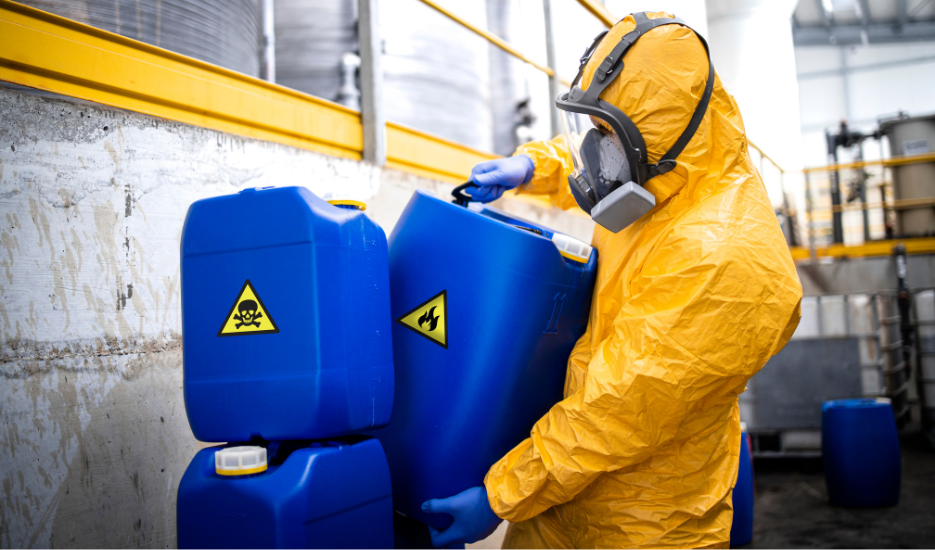
Burning waste, especially plastics and chemicals, releases harmful gases like dioxins and carbon monoxide, which contribute to global warming and respiratory diseases.
4. Harm to Wildlife
Animals often ingest plastic and other waste materials, leading to injury or death. Ocean creatures are particularly at risk from microplastics.
5. Increased Greenhouse Gases
Decomposing organic waste in landfills releases methane, a greenhouse gas far more potent than carbon dioxide.
What You Can Do
- Avoid burning trash.
- Compost organic waste.
- Support or volunteer for clean-up campaigns.
- Segregate and recycle waste properly.
- Report illegal dumping in your area.
Conclusion
Improper waste disposal isn’t just unsightly—it’s deadly for the environment. By managing waste responsibly, we protect the planet and secure a better future.